



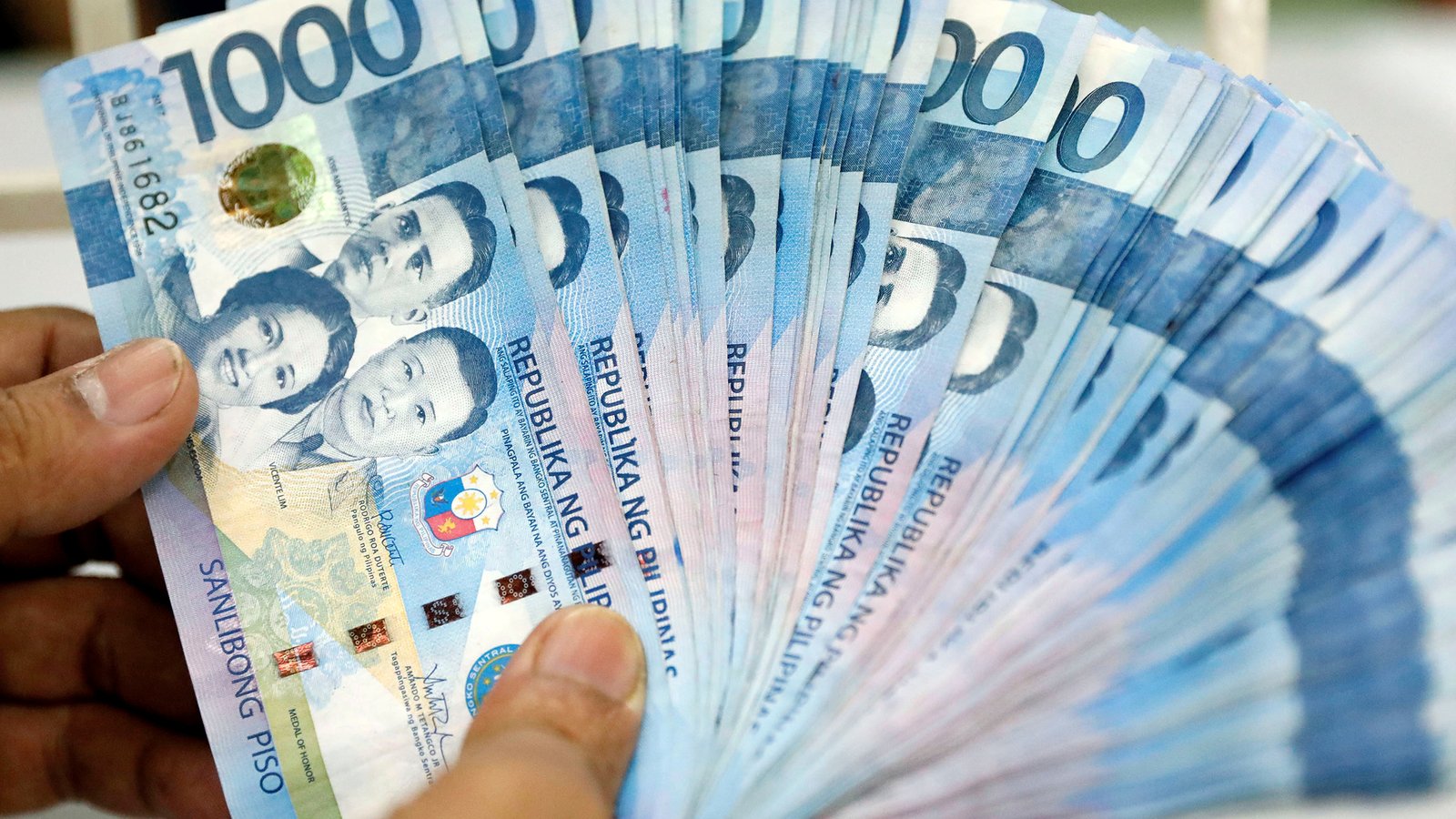
Peso bagsak sa bagong record low : P60.55 kontra dolyar
Bumagsak ang piso sa pinakamahinang antas nito sa kasaysayan matapos magsara sa ₱60.55 kada dolyar nitong Biyernes, Marso 27, 2026. Naitala ang pagkalugi ng 32 sentimos sa isang araw, kasabay ng patuloy na pangamba sa lumalalang tensyon sa Gitnang Silangan.
Ayon sa mga analyst, lumakas ang demand para sa US dollar bilang ligtas na kanlungan ng mga mamumuhunan, habang nananatiling malabo ang posibilidad ng de‑eskalasyon sa Iran war.
💡 Epekto sa Ekonomiya
- Mas mataas na presyo ng bilihin dahil sa mas mahal na importasyon ng langis, pagkain, at raw materials.
- Mas mabigat na pasanin sa gobyerno sa pagbabayad ng utang panlabas.
- Mas malaking halaga ng remittances para sa mga pamilyang tumatanggap ng dolyar mula sa OFWs.
- Posibleng dagdag na interest rate hikes mula sa Bangko Sentral ng Pilipinas upang pigilan ang tuloy‑tuloy na pagtaas ng presyo.
📌 Konteksto
Ang pagbagsak ng piso ay sumasalamin sa mas malawak na takot ng pandaigdigang merkado sa epekto ng digmaan sa Iran, na nagdudulot ng paglipat ng kapital patungo sa mas matatag na currency gaya ng US dollar.
NARITO ANG SALIN SA ENGLISH
Here’s a breakdown of how the peso’s record low at ₱60.55 per US dollar could ripple through the Philippine economy:
📉 Imports & Consumer Prices
- The Philippines imports a large share of fuel, food, and raw materials. A weaker peso makes these imports more expensive.
- Higher import costs feed directly into inflation, raising prices of everyday goods like rice, fuel, and electricity.
💸 Overseas Remittances
- Remittances from OFWs (Overseas Filipino Workers) become more valuable in peso terms. Families receiving dollars will get more pesos, which can help cushion inflationary pressures.
- However, this benefit is uneven—only households with remittance inflows gain, while non-recipient households face higher costs.
🏦 Government & Debt
- The government’s foreign debt servicing becomes more expensive when the peso weakens, since repayments in dollars require more pesos.
- This can strain fiscal resources, especially if global borrowing costs remain high.
📊 Business & Investment
- Exporters may benefit since their goods become cheaper abroad, but local businesses reliant on imported inputs (manufacturing, retail, energy) face rising costs.
- Investor confidence can be shaken by currency instability, potentially slowing foreign direct investment.
🚨 Inflation & Monetary Policy
- The Bangko Sentral ng Pilipinas (BSP) may be forced to raise interest rates further to stabilize the peso and curb inflation.
- Higher rates, however, can slow domestic growth by making borrowing more expensive for businesses and consumers.
In short: consumers feel the pinch through higher prices, OFW families gain more peso value from remittances, exporters get a boost, but debt and inflation risks intensify.


