



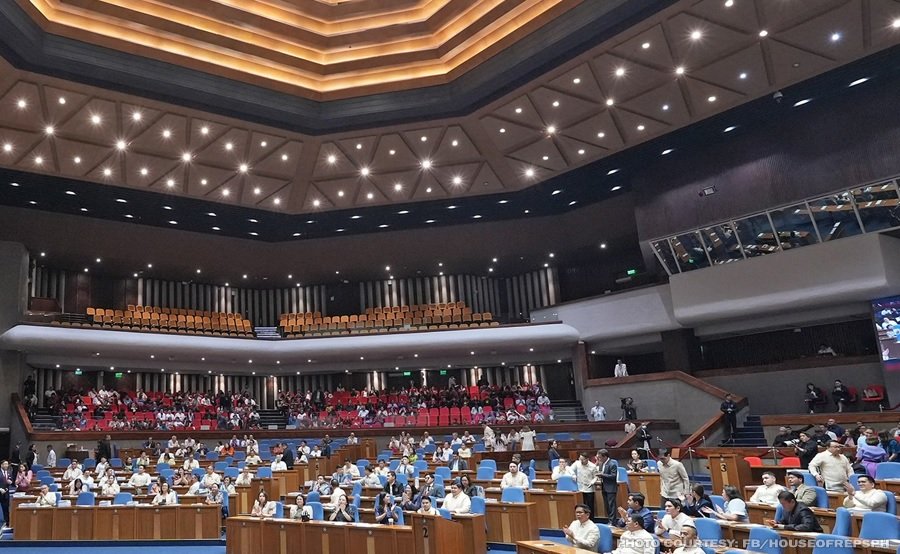
Pinaiimbestigahan sa Kamara de Representantes ang programa ng Department of Health (DOH) na lumalabas umanong hindi epektibo dahil patuloy pa rin ang nahahawa ng “snail fever” sa 28 probinsya sa Visayas at Mindanao.
Inihain nina House Minority Leader at 4Ps party-list Rep. Marcelino Libanan, at Eastern Samar Rep. Christopher Sheen Gonzales ang House Resolution 1059 upang paimbestigahan sa House Committee on Health ang implementasyon at kung epektibo ang Schistosomiasis Control and Elimination Program (SCEP) ng DOH.
Ayon kay Libanan, ang schistosomiasis o snail fever ay patuloy na nakakaapekto sa mga mahihirap na magsasaka, mangingisda at kanilang mga pamilya sa mga rural at agricultural area ng Visayas at Mindanao.
“Schistosomiasis is one of those diseases that has remained neglected largely because it disproportionately strikes the poorest and most vulnerable Filipinos—subsistence farmers, fisherfolk, and their children,” sabi ni Libanan.
“For many families living in endemic areas, exposure to infested freshwater is an unavoidable part of daily life and livelihood. Yet despite years of government interventions, the disease continues to persist in many communities,” dagdag pa nito.
Ang snail fever ay dulot ng parasite na tinatawag na Schistosoma japonicum, na nakukuha ng tao sa paglusong sa tubig na kontaminado ng infected snails. Maaari itong makapagdulot ng chronic abdominal pain, diarrhea, liver enlargement, anemia, pagkabansot sa mga bata, pagbawas sa kakayanang pisikal, at irreversible organ damage.
Bukod sa tao, nakakaapekto rin ito sa mga hayop gaya ng kalabaw, baka, at aso.
“The continued presence of schistosomiasis is not only a public health issue; it is also a rural development and anti-poverty issue. The government must ensure that vulnerable communities are no longer left behind in the fight against this debilitating disease,” sabi ng solon.
Iginiit ni Libanan ang pangangailangan na matukoy kung bakit nagpapatuloy ang sakit na ito sa kabila ng SCEP ng DOH na matagal na umanong ipinatutupad.
“We have to identify the policy and implementation gaps that allow this preventable disease to persist. Every year that schistosomiasis remains endemic, it exacts a heavy toll on the health, productivity, and economic well-being of affected families,” sabi ng mambabatas.
“We need to find out what is working, what is not working, and what additional measures are necessary to finally break the cycle of infection. No Filipino family should continue suffering from a disease that is both preventable and treatable,” dagdag pa ni Libanan.
Related Posts


